
Prepared, Not Reactive: Why Every Property Needs a Security Plan
Prepared, Not Reactive: Why Every Property Needs a Security Plan
It was a Tuesday afternoon when the fire alarm went off at a 200-unit apartment complex in Charlotte.
No smoke. No visible flames. Most residents assumed it was a false alarm and stayed put. A few stepped into the hallway. One elderly resident on the fourth floor opened her door, saw nothing, and went back inside.
Forty minutes later, firefighters were pulling smoke from a second-floor electrical room. The fire had been real. The response had not been.
Nobody knew who to call. Nobody knew the evacuation routes. Nobody had a plan. And the property's security officer — hired through a vendor who prioritized price over training, had never received emergency response protocols for the building.
That is not a hypothetical. Variations of that story play out on properties across the country every single year. And September, National Preparedness Month, is the right time to ask whether your property would respond differently.
The Numbers That Should Concern Every Property Manager
The data on emergency preparedness in residential and commercial properties is sobering.
According to FEMA, only 39% of Americans have discussed emergency preparedness with their households. The National Fire Protection Association reports that U.S. fire departments respond to an average of 353,500 home structure fires per year, resulting in approximately $8.6 billion in property damage annually. And the Federal Emergency Management Agency estimates that 40% of businesses, including commercial properties, never reopen after a major disaster.
The gap between properties that survive emergencies and those that do not almost always comes down to one thing: preparation.
What a Security Plan Actually Covers
Most property managers assume a security plan is about preventing crime. And it is. But a comprehensive security plan goes significantly further than access control and patrol routes. It is the operational backbone that determines how a property responds when something goes wrong, whether that is a fire, a medical emergency, a severe weather event, or an active security threat.
A fully developed security plan covers:
🔥 Fire and evacuation procedures: Clearly defined evacuation routes, assembly points, and protocols for accounting for all residents or occupants. Who calls 911? Who sweeps the floors? Who manages the elevators? These decisions should never be made in the moment.
⛈️ Severe weather response: Charlotte and the greater Carolinas are no strangers to severe weather. A security plan accounts for shelter-in-place protocols, communication procedures during power outages, and post-storm property assessment procedures.
🏥 Medical emergency protocols: Who is trained in CPR on your property? Where is the nearest AED? What is the procedure when a resident falls in a common area at 2 AM and the only person available is a security officer? These questions need answers before the emergency, not during it.
📋 Incident reporting and communication: A security plan defines how incidents are documented, who is notified, and in what order. Clear communication protocols eliminate the chaos that compounds every emergency and protect the property from liability in any subsequent legal or insurance review.
🔐 Access control during emergencies: Who gets access to the property during a crisis? How are first responders guided in? How are unauthorized individuals kept out while an emergency is being managed? These are access control questions that only a formal plan can answer.
 The Role of Trained Security Officers During Emergencies
There is a meaningful difference between a security officer who shows up and one who is prepared.
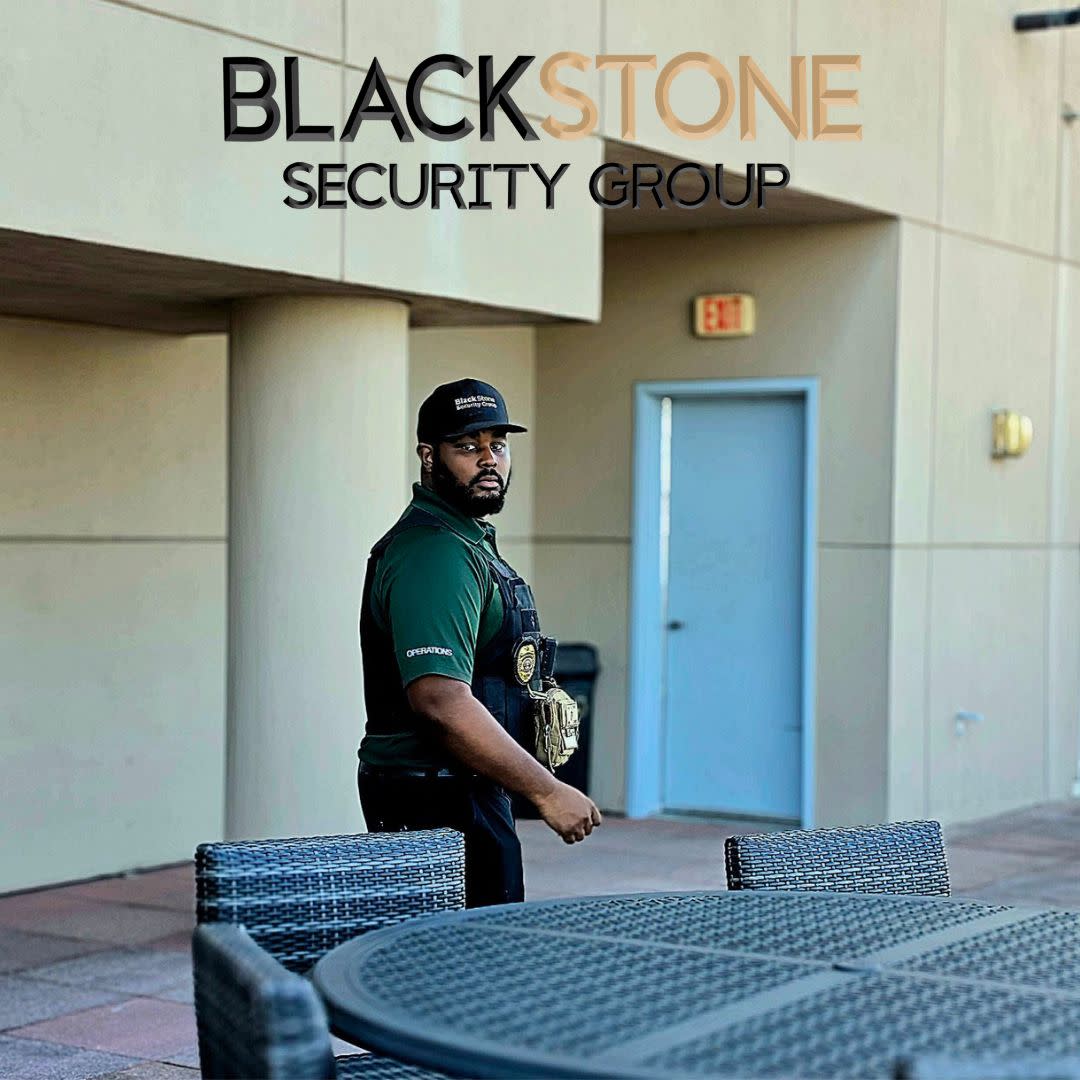
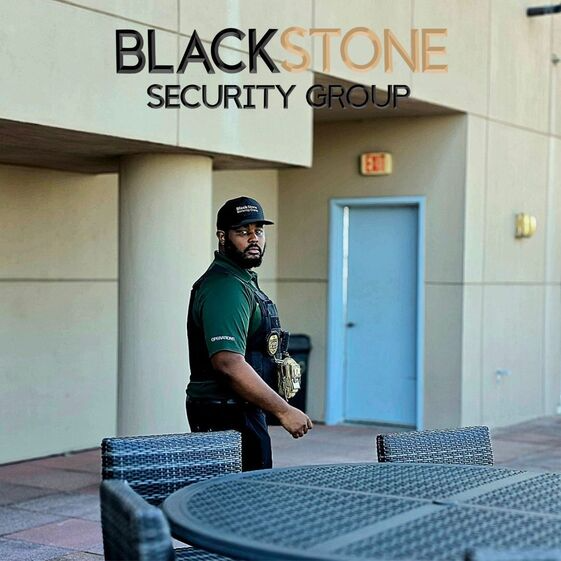
A trained security officer during an emergency is not just a visible presence. They are the first line of coordinated response. They know the evacuation routes. They know which residents require assistance. They know the communication chain. And they know how to manage the controlled chaos of an emergency without adding to it.
According to the Bureau of Labor Statistics, there are over 1.1 million security guards employed in the United States. But licensing requirements vary significantly by state, and licensing does not automatically mean emergency training. The quality of your security provider determines the quality of your emergency response. And that determination should be made long before an alarm goes off.
A security officer who has never been briefed on your property's emergency protocols is not an asset during a crisis. They are a variable. And in an emergency, variables are exactly what you cannot afford.
National Preparedness Month: The Right Time to Ask the Hard Questions
September exists as a national reminder that preparation is not a reaction to crisis, it is a prevention of one.
For HOA boards, property managers, and commercial property owners, that means asking questions that most people put off until something goes wrong:
- Does your property have a documented emergency response plan?
- Do your security officers know that plan, in detail?
- When was the last time you reviewed your evacuation routes and assembly points?
- Does your incident reporting system give you real-time documentation during an emergency?
- If something happened on your property tonight, would your team know exactly what to do?
If any of those questions give you pause, that pause is worth paying attention to.
Prepared properties do not just recover faster from emergencies. They prevent more of them.
At Blackstone Security Group, every security plan we develop includes emergency response protocols tailored to the specific environment and risk profile of the property. Our officers are trained not just to deter, but to respond when it matters most.
We offer complimentary site assessments for HOAs, multifamily communities, commercial properties, and construction sites across Charlotte and the greater Carolinas. Let us help you build a plan before you need one.
📅 Schedule your complimentary site assessment today.
🛡️ Blackstone Security Group: Protecting You & Yours
📲 (980) 202-0338
🌐 www.bssg.biz
📧 hello@bssg.biz
Images
