Heat Pump Struggles in North Carolina: When “Emergency Heat” Starts Causing Real Problems
Heat Pump Struggles in North Carolina: When “Emergency Heat” Starts Causing Real Problems
Heat pumps work well for most North Carolina homes, especially during our typically mild winters. But when temperatures drop suddenly or stay cold longer than expected, many homeowners notice something frustrating. Their system keeps switching to emergency heat.
At first, it seems helpful. The house warms up faster. Then the power bill arrives. Worse, the system starts acting up. Emergency heat is meant to help occasionally, not carry the load all winter. When it does, it often leads to higher costs, electrical strain, and eventually system breakdowns.
Let’s walk through why this happens and what it means for your HVAC system.
How does North Carolina winter weather affect heat pump performance?
North Carolina winters are unpredictable, and heat pumps feel that unpredictability quickly. These systems are designed to move heat from the outdoor air into your home. That process works well when temperatures are moderate, but it becomes less efficient as outdoor air gets colder.
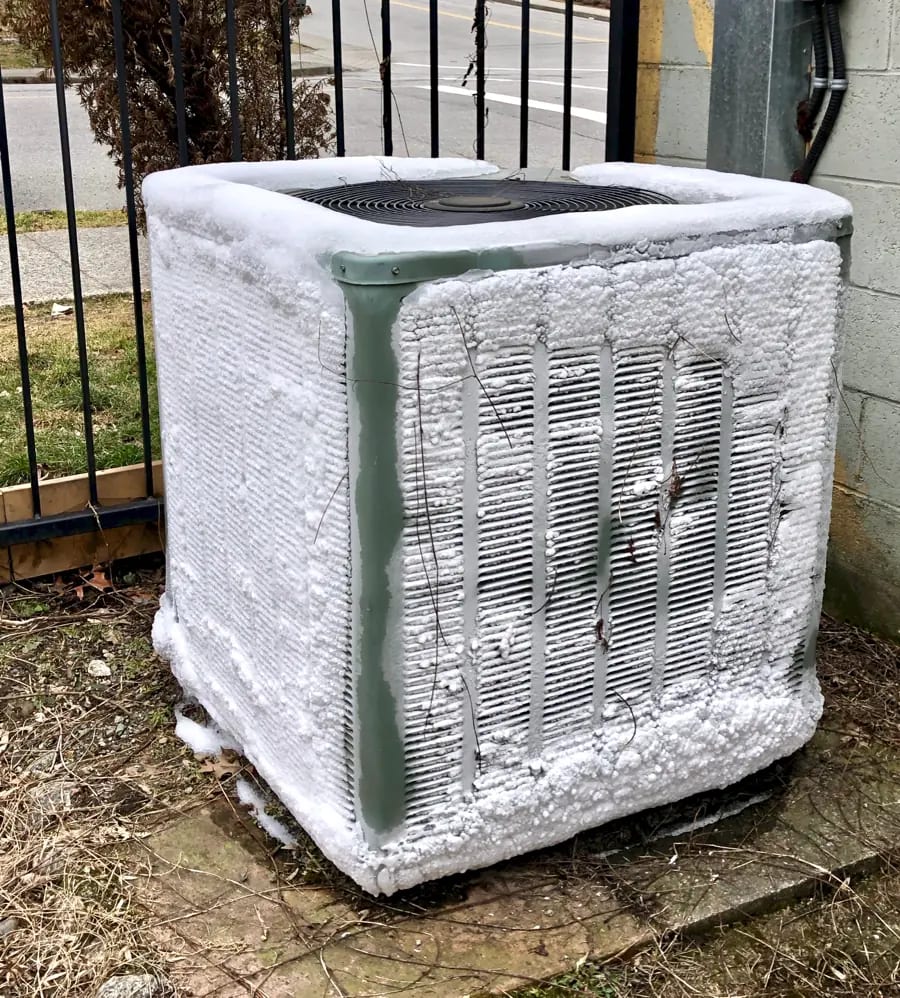
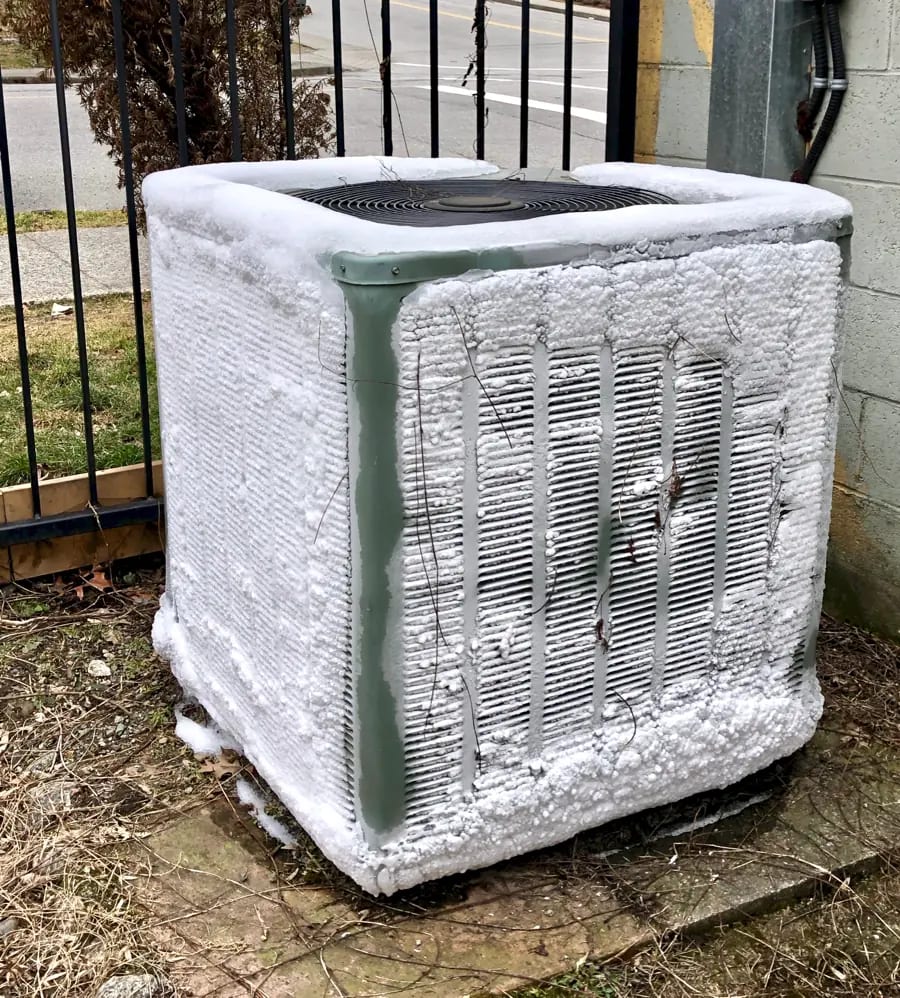
During cold snaps, heat pumps have to work harder to extract heat. Frost can build up on the outdoor unit, triggering defrost cycles that temporarily reduce heating output. When cold weather lingers, the system may struggle to keep indoor temperatures steady.
Humidity adds another layer of stress. Moist air combined with cold temperatures increases frost buildup, which further affects performance. Wind also plays a role, lowering the effective temperature around the outdoor unit.
Homeowners often respond by turning the thermostat up several degrees, which seems reasonable. Unfortunately, that action can push the system into emergency heat. Over time, winter weather doesn’t just test your heat pump. It exposes its limits.
What causes emergency heat to turn on frequently in North Carolina heat pump systems?
Emergency heat usually turns on when the system believes the heat pump alone can’t meet demand. One of the most common triggers is adjusting the thermostat too aggressively. When you raise the temperature quickly, the system switches to backup heat to catch up.
Other factors also play a role:
Dirty filters restricting airflow
Lack of routine maintenance
Aging or undersized systems
Faulty sensors or thermostat settings
In some homes, the heat pump is already operating below peak efficiency due to wear or neglected maintenance. That makes emergency heat feel necessary, even when it shouldn’t be.
The problem is that many homeowners don’t realize emergency heat is running. The system is quiet, and the house feels warm. The only clear sign is a rising energy bill. Frequent emergency heat use is often a symptom of a deeper issue that needs attention.
Why are electrical service issues commonly linked to heat pump and emergency heat failures?
Emergency heat relies on electric resistance heating, which draws significantly more power than normal heat pump operation. That heavy demand can strain a home’s electrical system, especially in older houses.
Electrical issues often show up as:
Tripped breakers
Flickering lights during heating cycles
Burnt contacts or relays
Control board failures
If the electrical panel or wiring isn’t sized for sustained high loads, components can overheat. Over time, that stress damages both electrical systems and HVAC equipment.
Many homeowners assume their heat pump is failing, when the real issue often starts with electrical strain behind the scenes. Emergency heat does more than warm your home. It puts serious pressure on your electrical system. When wiring, breakers, or panels aren’t designed to handle that load, problems show up fast.
This is where a professional electrical company can make a real difference. They can evaluate your electrical capacity, identify weak points, and help prevent damage before it affects your HVAC system or leads to costly repairs.
Why does using emergency heat too often lead to heat pump breakdowns?
Emergency heat changes how the system operates. When it runs frequently, the heat pump itself may cycle less efficiently or mask underlying performance problems.
Electrical components are under constant load, generating heat and wear. The system may short cycle, struggle to regulate humidity, or fail to address refrigerant or airflow issues that go unnoticed.
Instead of fixing the root cause, emergency heat becomes a crutch. Over time, that strain leads to failures, often during the coldest part of the year. What feels like a short-term solution quietly creates long-term damage.
What are the long term effects of emergency heat overuse on heat pump systems?
Using emergency heat occasionally is normal. Relying on it regularly is not. Over time, constant use leads to:
Shorter system lifespan
More frequent repairs
Higher energy costs
Increased risk of major component failure
Heat pumps are designed to operate efficiently and steadily. Emergency heat disrupts that balance. Components wear out faster, efficiency drops, and homeowners are left wondering why their system seems to fail early.
Routine maintenance, proper thermostat use, and early problem detection can prevent most of this damage.
How do concrete construction conditions impact HVAC system efficiency and durability?
Many North Carolina homes are built on concrete slabs, and that construction style comes with its own set of comfort challenges. Concrete naturally absorbs cold and releases it slowly, which is why floors can feel chilly even when the air temperature is set correctly. That discomfort often leads homeowners to raise the thermostat, unknowingly increasing emergency heat usage.
Slab foundations can also limit access to ductwork and restrict airflow improvements, forcing HVAC systems to work harder to maintain comfort. Over time, that added strain affects efficiency and shortens system lifespan.
A qualified concrete contractor can help by improving slab insulation, sealing gaps, or addressing structural areas where heat loss is happening, reducing the load on the HVAC system and improving long-term performance.
Don’t Let Emergency Heat Turn Into a Costly Breakdown
Emergency heat should support your system, not slowly wear it down. When it runs too often, it’s usually a sign something else needs attention. Horne HVAC Charlotte helps homeowners identify why emergency heat keeps turning on and how to correct the underlying issues. They focus on system health, electrical safety, and long-term performance, not temporary fixes.
By addressing problems early, they help homeowners stay comfortable, control energy costs, and avoid unexpected breakdowns when winter weather hits hardest.
Images