
Dog Boarding During Peak Seasons: How Space Availability, Stress Levels, and Illness Risks Are Connected
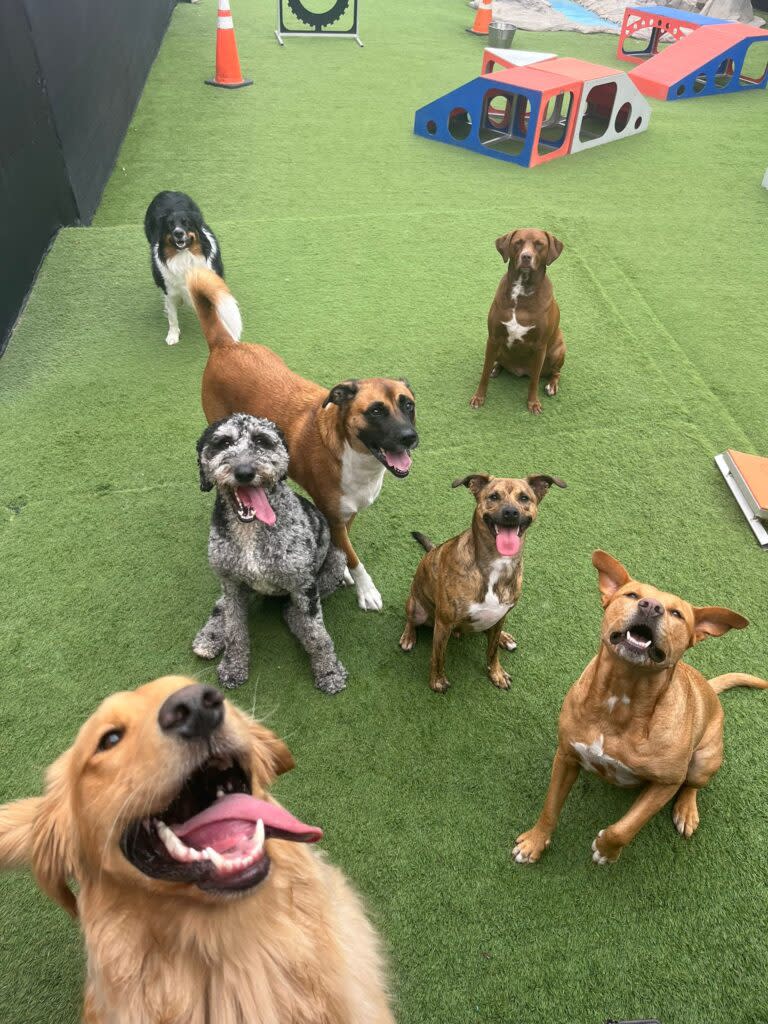
Dog Boarding During Peak Seasons: How Space Availability, Stress Levels, and Illness Risks Are Connected
If you’ve ever tried to book dog boarding around holidays or summer travel season, you already know how quickly spots fill up.
Peak boarding seasons create a ripple effect that goes far beyond availability. When demand is high, space gets tighter, routines change, and dogs feel it. Stress levels rise, cleanliness becomes harder to manage, and the risk of illness increases.
Understanding how these factors connect can help pet owners make better decisions and choose facilities that truly prioritize dog health and safety, even when things get busy.
What happens to dog behavior and health when boarding demand is high?
When boarding demand spikes, dogs experience a very different environment than they would during quieter times. Even well-run facilities feel louder, busier, and more stimulating.
Common changes in dog behavior and health include:
Increased anxiety or restlessness
Changes in appetite
Disrupted sleep patterns
Heightened reactivity around other dogs
More frequent stress-related behaviors
Lower immune response due to stress
Dogs thrive on routine and familiarity. During peak seasons, routines may shift to accommodate higher volumes, which can be unsettling. More dogs also mean more noise, more movement, and more social interaction than some dogs are comfortable with.
Stress affects the body, not just behavior. Elevated stress hormones can weaken the immune system, making dogs more vulnerable to illness. Even dogs that usually board well may act differently when the environment becomes crowded.
That’s why understanding capacity and staff attention during peak times is so important for long-term health.
How does limited space during peak dog boarding seasons affect pet stress levels?
Space matters more than many pet owners realize. When boarding facilities are full, dogs often have less personal space and fewer opportunities to decompress.
Limited space can lead to:
Overstimulation from constant activity
Reduced quiet or rest periods
Increased tension between dogs
Less individualized attention
Higher stress during feeding and playtime
Difficulty separating dogs by temperament
Dogs need a balance of social interaction and downtime. During peak seasons, even minor reductions in space can disrupt that balance. A dog that normally enjoys group play may become overwhelmed when there’s no escape from constant interaction.
Crowded environments can also make it harder for staff to spot early signs of stress. Subtle cues like yawning, pacing, or withdrawal may go unnoticed when many dogs need attention at once.
Over time, that stress can build and show up as behavioral issues or health concerns after the stay ends.
How does peak season dog boarding impact cleanliness and disease exposure?
Cleanliness becomes more challenging as occupancy increases. Even with strong protocols, high dog volume creates more opportunities for germs to spread.
Peak season cleanliness challenges include:
Faster buildup of bacteria on surfaces
Increased waste volume
Shared play areas and equipment
More frequent contact between dogs
Higher humidity and moisture indoors
Less time between cleanings
Dogs naturally explore the world with their noses and mouths. In crowded boarding environments, that curiosity increases exposure to bacteria and viruses. High-touch areas like kennels, bowls, toys, and play yards require constant attention to stay sanitary.
Facilities that don’t scale their cleaning efforts with demand can fall behind quickly. When sanitation slips, disease exposure rises. Cleanliness isn’t just about appearance. It’s a critical part of protecting dogs during busy boarding seasons.
Why are dogs more likely to get sick when boarding facilities are overcrowded?
Illness risk rises when stress, close contact, and shared spaces collide. Overcrowding creates the perfect environment for common boarding illnesses to spread.
Dogs are more likely to get sick due to:
Close proximity to unfamiliar dogs
Weakened immune systems from stress
Airborne pathogens in enclosed spaces
Shared water bowls and toys
Delayed symptom detection
Limited isolation options
Conditions like kennel cough, gastrointestinal infections, and skin issues spread more easily when dogs are packed together. Stress plays a major role. A stressed dog is less equipped to fight off pathogens they might normally handle with ease.
Overcrowded facilities may also struggle to isolate sick dogs quickly, increasing exposure. This doesn’t mean all busy facilities are unsafe, but it does highlight why capacity limits, vaccination requirements, and attentive staff matter more than ever during peak seasons.
When should pet owners consider legal services related to dog boarding injuries or illness?
Most boarding stays go smoothly, but there are times when problems cross into serious territory. Pet owners should consider legal services when an injury or illness appears to be the result of negligence.
Situations that may warrant legal guidance include:
Severe or unexplained injuries
Illness due to unsanitary conditions
Lack of proper supervision
Failure to disclose incidents
Ignoring vaccination requirements
Refusal to provide records or documentation
If a dog returns home injured or seriously ill and the facility cannot explain what happened, that’s a red flag. Legal professionals can help pet owners understand their rights, gather documentation, and determine whether standards of care were violated.
Legal services aren’t about conflict for the sake of conflict. They’re about accountability and ensuring boarding facilities uphold safety standards. Knowing when to seek help protects not just your dog, but others as well.
A Safer, More Thoughtful Approach to Dog Boarding
Choosing the right boarding facility during peak seasons makes all the difference. Animal People Dog Boarding & Day Care focuses on responsible capacity limits, clean environments, and individualized care, even during the busiest times of year. They understand how space, stress, and health are connected and take steps to protect every dog in their care.
With attentive staff, structured routines, and a strong focus on wellness, they help dogs stay comfortable and safe while owners are away. It’s a thoughtful approach that puts dogs first, no matter the season.
Images

